In remembrance of the fall of Singapore.
Hindsight is 20/20.
In this article, we will recount certain events (and real life lessons) leading up to the fall of Singapore during the Second World War. We will also explore the Former Ford Factory located along Upper Bukit Timah Road.
The Path to Surrender
The Malayan campaign started on 8 Dec 1941, when the Japanese landed in Kota Bharu in the North-East of Malaya, and it was also the first real sign that war was coming to Singapore with the first air raid by the Japanese bombers, with bombs landing at Seletar and Tengah Air Bases and also in the city centre (present day Raffles Place).
By 8 February 1942, the Japanese had set foot in Singapore after conquering the Malayan Peninsula on 31 January 1942. It took just a week for the British to surrender.
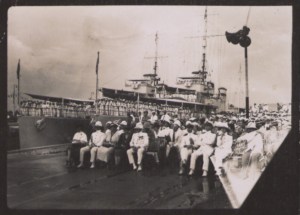
1st lesson: Remember to always plan ahead. The British’s Singapore strategy was to have a strong naval presence to counter the Japanese threat. Plans to build a naval base at Sembawang was approved in 1923, but only began in 1928 due to a change of government in Britain which halted construction. While the expectation was for construction to be completed by 1935, the base was only completed in 1938.
A full 15 years on from when the base was first approved, tensions were high in Europe and ultimately, the Royal Navy Fleet never fully utilised the base prior to the surrender.
2nd lesson: Cover your ass when you’re a large target. While the Sembawang Naval Base never saw a full deployment, it hosted Force Z, which was made up of the battleship HMS Prince of Wales, battlecruiser HMS Repulse and four destroyers.
Force Z sailed out to intercept the Japanese Navy convoy bound for Malaysia. However, without an aircraft carrier alongside as it was docked for repairs, and with very limited air cover from landside, it was a total rout as the Japanese torpedo bombers sank both HMS Prince of Wales and HMS Repulse on 10 December 1942 with a loss of 840 lives.
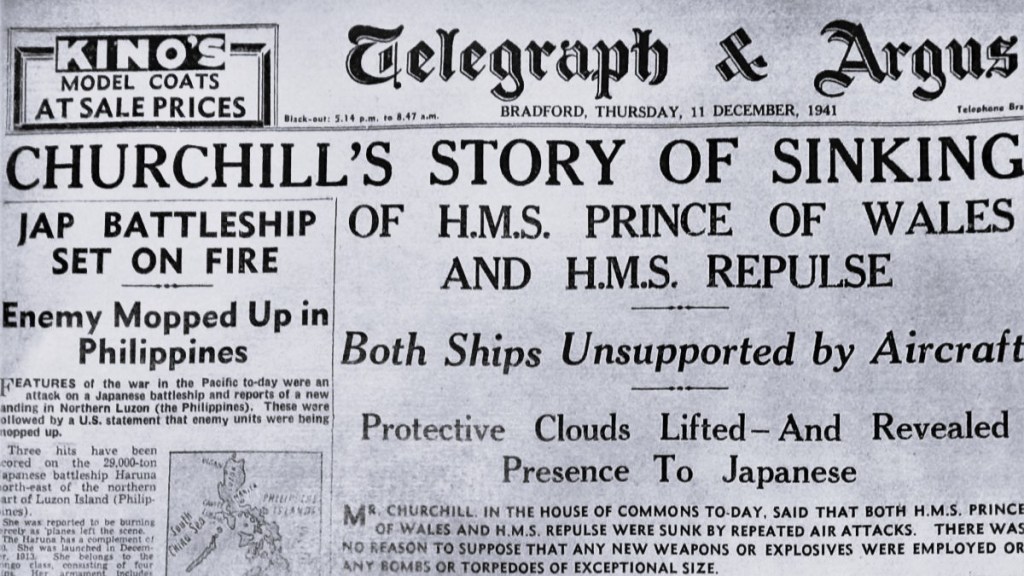
3rd lesson: Communication is key. In the case of the sinking of HMS Prince of Wales and HMS Repulse, air cover from landside was available. However, the activation of air support was delayed partially due to miscommunication and also partially due to radio silence considerations, such that air support arrived just as HMS Prince of Wales sank.
Would better communication have changed the outcome? Probably not given the more advanced Japanese aircrafts but a lack of communication fully sealed the outcome.
But the pinnacle of miscommunication happened during defense of the Jurong-Kranji defence line. General Arthur Percival gave the order to only retreat beyond this line is the defense of this line was impossible, however, the commander on the ground Brigadier Harold Taylor understood the instructions to retreat beyond the aforementioned defence line into the city centre.
The knock-on effect was that as all neighbouring units had to retreat as their flanks were left open, but more importantly, gave up control over the water sources around Bukit Timah Hill.
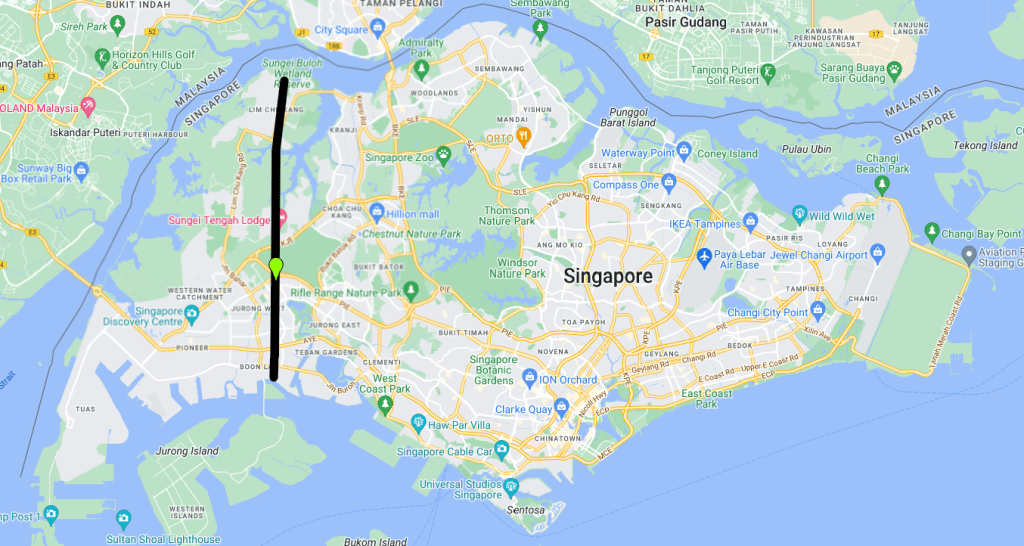
And it is with this retreat that allowed the Japanese Army to set up its headquarters during the Battle of Singapore at the Ford Factory, located at Upper Bukit Timah.
Former Ford Factory
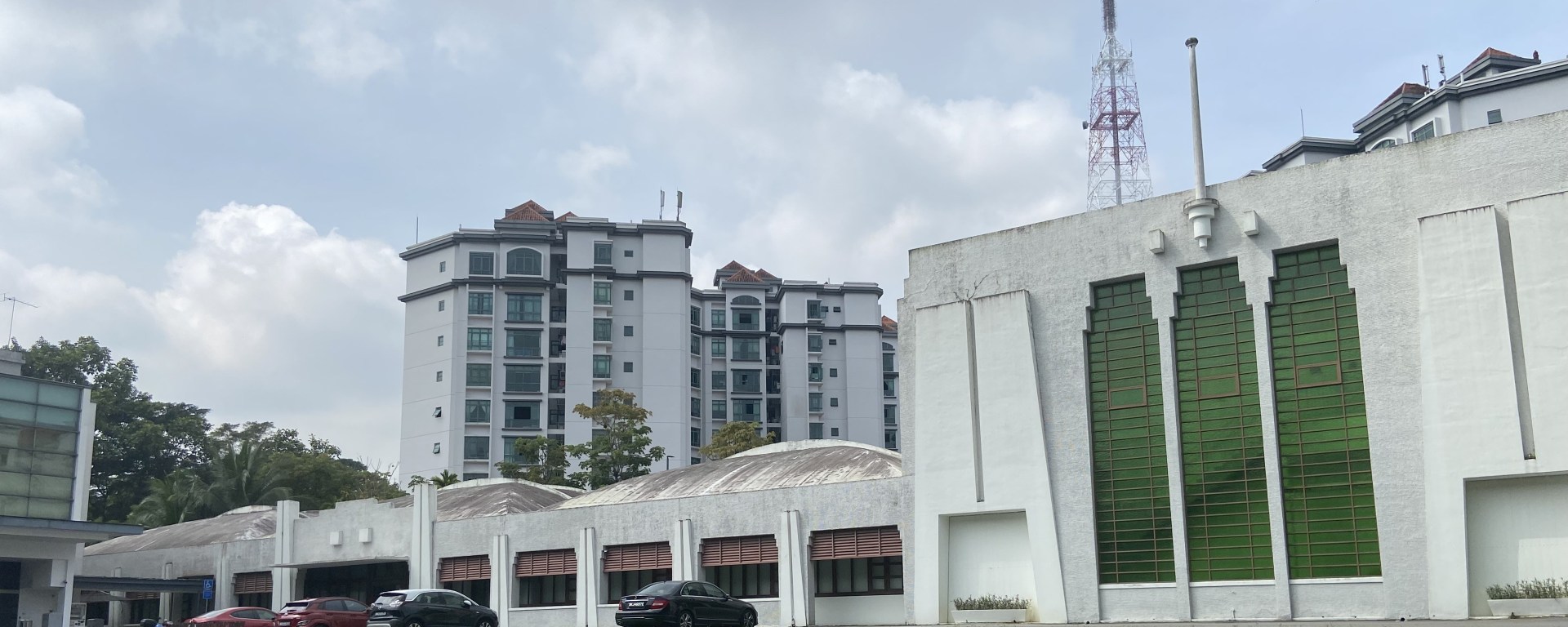
The Former Ford Factory was the Japanese Army headquarters during the Battle of Singapore and more famously the site where the British marched to surrender. The museum itself covers the events in Asia leading up to World War 2.
Location: 351 Upper Bukit Timah Road, Singapore 588192
Opening Hours: 9am to 530pm from Tuesdays to Sundays
Entry Fee: Free for Singaporeans and Permanent Residents. S$7 for Foreign Residents.
The Japanese were on the side of the Allies during World War 1, meaning on the same side as Great Britain, France and the United States. But things changed for World War 2.
One of the reasons I learnt back in school in 1990s was due to the result of the Treaty of Versailles, which was deemed unequal to Japan and brought out feelings of racial inequality, which pushed Japan to be more aggressive to assert itself on a global level.
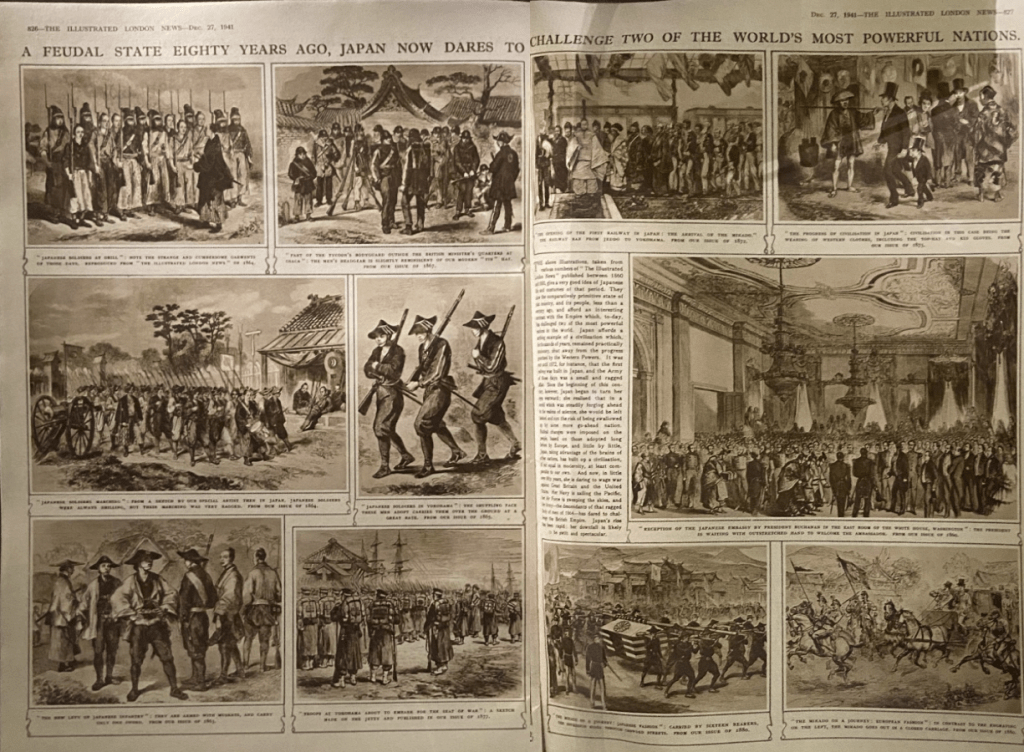
While such views depends on the perspective, what we can see in the article below (published in Dec 1941 after the invasion of Malaysia and attack on Pearl Harbour) that the British continued to underestimate the Japanese by mentioning its feudal history.
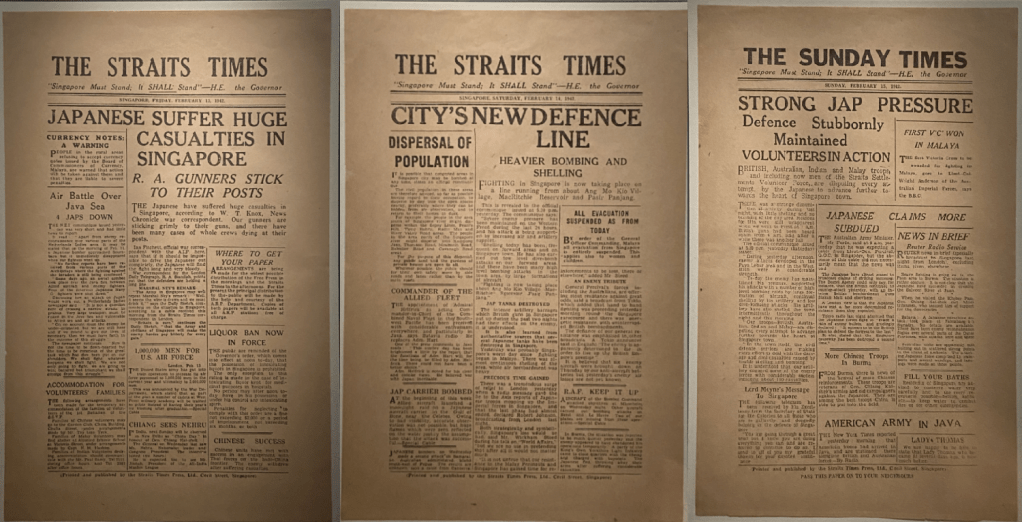
Also at the museum are copies of the front page of the Straits Times for the last 3 days of the Battle of Singapore. Little did the public know that by 6:20pm on 15 February 1942, the British signed the unconditional surrender.
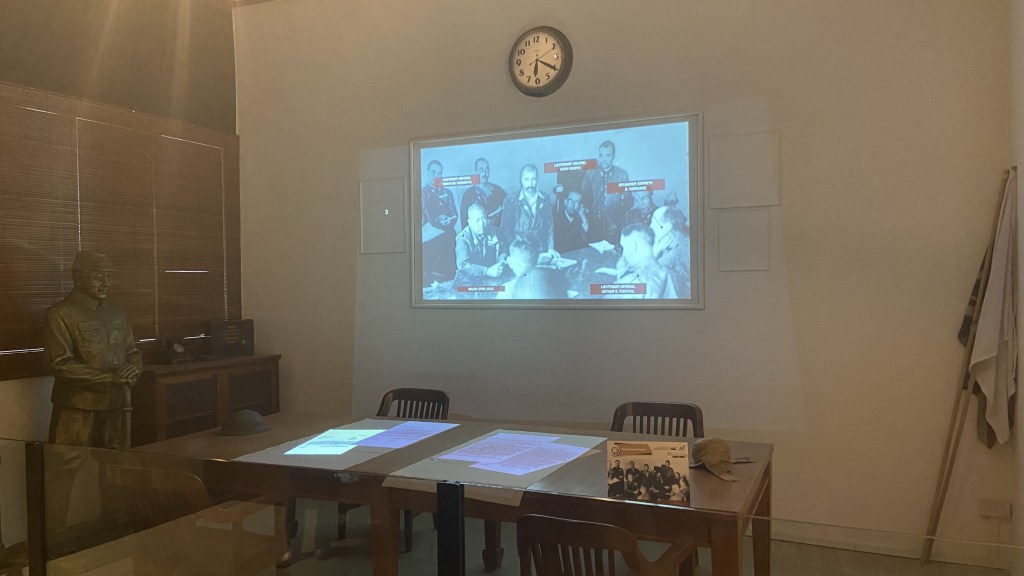
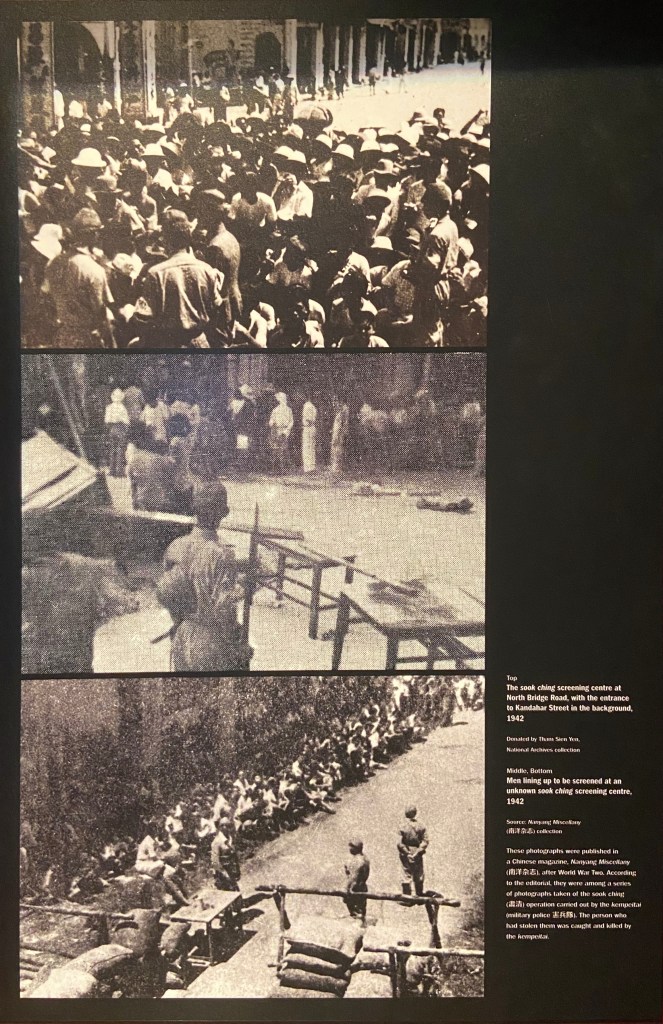
There are many images shown throughout the museum that detail the hardships that the local populace went through during World War 2.
One of the first things that the Japanese did was the Dai Kensho, or more infamously known as the Sook Ching. The aim of this was to identify and eliminate anti-Japanese elements, mostly among the local Chinese population who had supported the war in China. The total number of people who were executed during this operation was never determined, and ranges from 5,000 to 50,000.
Another topic that was on display was the Indian National Army (INA), which epitomised the saying that the enemy of my enemy is my friend. The INA collaborated on and off with the Japanese with the aim to achieve India’s independence through armed struggle. However, delays on the side of the Japanese to invade India coupled with a defeat of the INA against the British in 1944 weakened the INA significantly.
As we know, the tides of war turned and with the bombing of Hiroshima and Nagasaki in August 1945, it was the turn for the Japanese to surrender unconditionally.
With that, I will leave you with a clip of the surrender which can be seen at the museum.
 Sims Avenue