Part of the Museum Roundtable series.
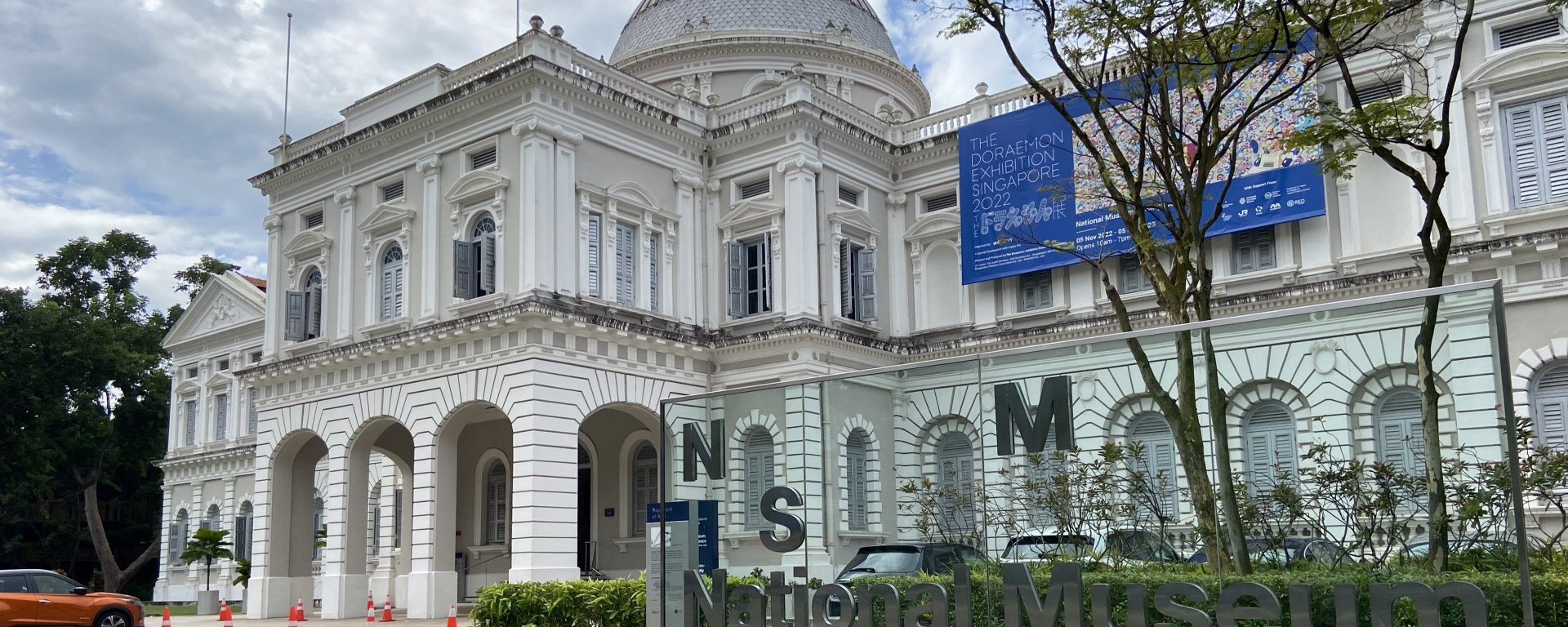
In the first article of our Museum Roundtable series, we head to the National Museum of Singapore, the oldest museum in Singapore.
Location: 93 Stamford Road, Singapore 178897.
Opening Hours: 10am to 7pm daily.
Entry Fee: For the Permanent Exhibitions, Free for Singaporeans and Permanent Residents. S$15 for Foreign Residents.
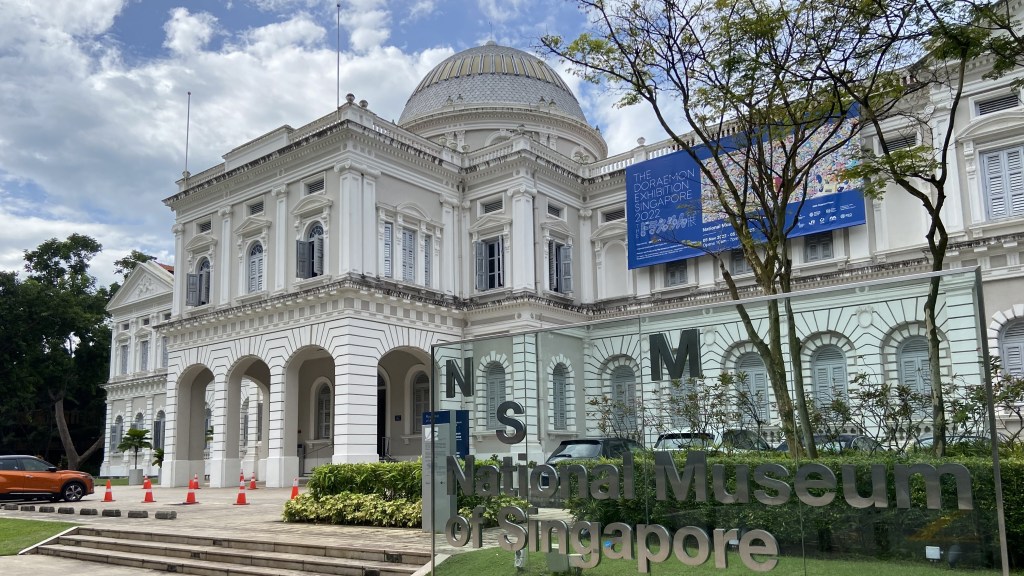
The National Museum of Singapore mainly covers the history of Singapore, and hence the main permanent exhibition that you should visit is the Singapore History Gallery on Level 1, followed by the 4 halls on Level 2 covering the 1930s to the 1980s.
Singapore History Gallery (Level 1)
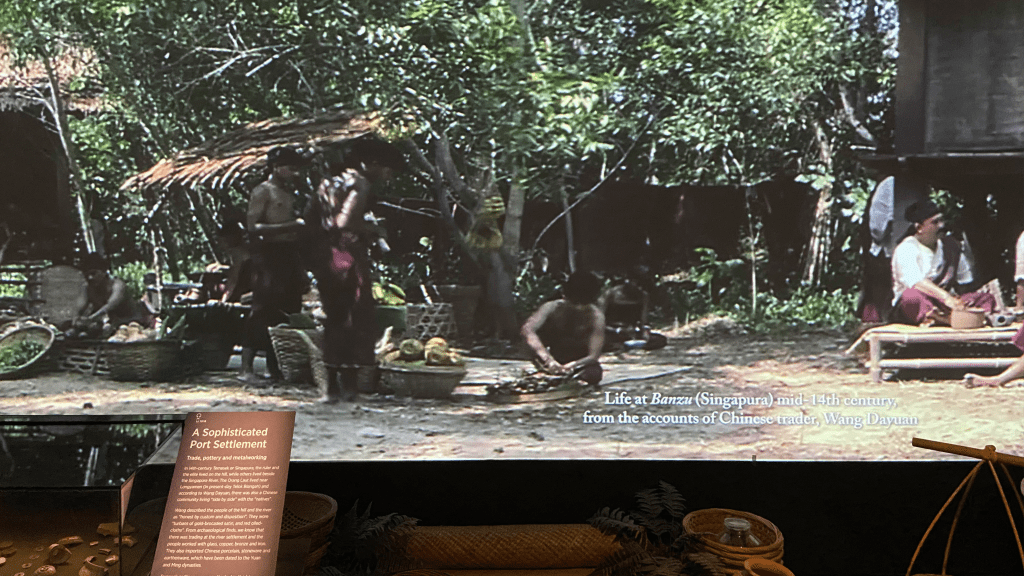
This gallery covers the history of Singapore since the 1200s.
While information prior to the founding of modern Singapore rather limited, most information during the 1200s to 1500s is obtained from the writings of a Chinese explorer Wang Dayuan, which indicated that Singapore was a trading settlement even prior to the arrival of the Europeans.
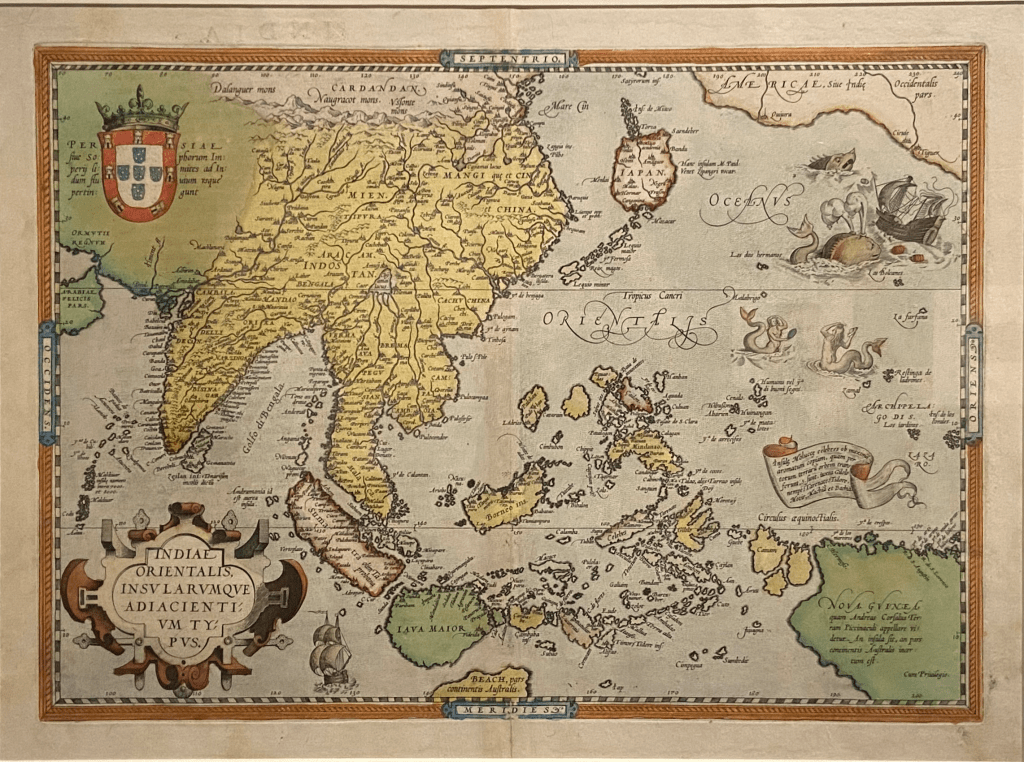
With the arrival of the Europeans in the region during the early 1500s (first the Portuguese, then the Dutch and followed by the British), the region saw rapid development, although some might view it as exploitation, which is also right to a degree.
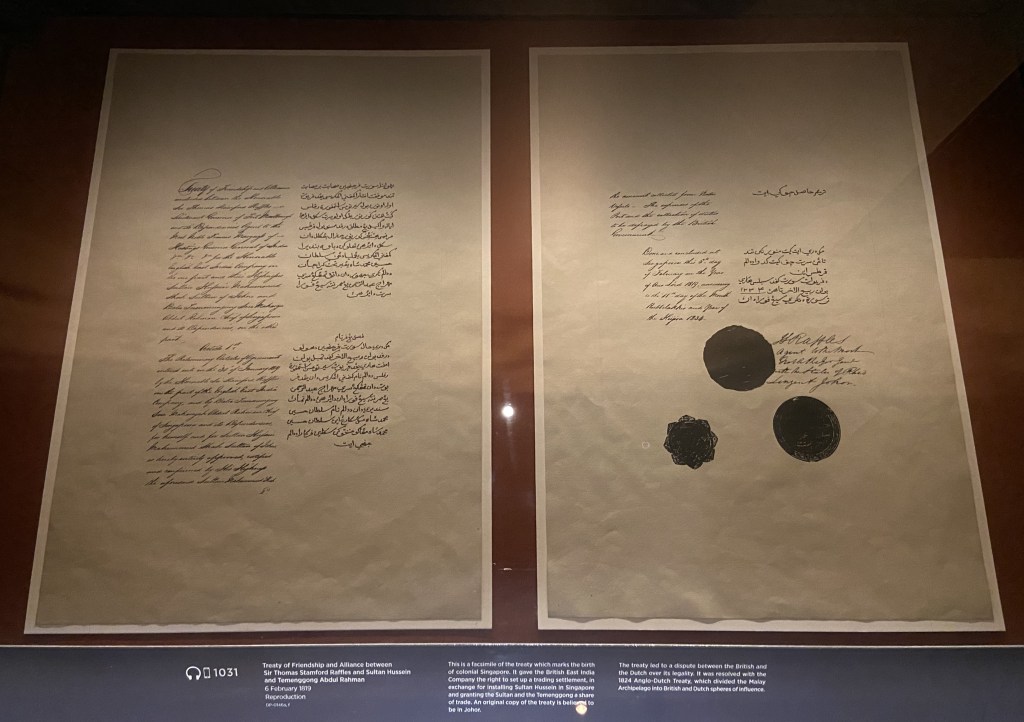
As Singaporeans know, modern Singapore was founded in 1819 by Sir Stamford Raffles. You’ll be able to view the treaty which gives the British East India Company the right to set up a trading settlement in Singapore, and with that modern Singapore was born.
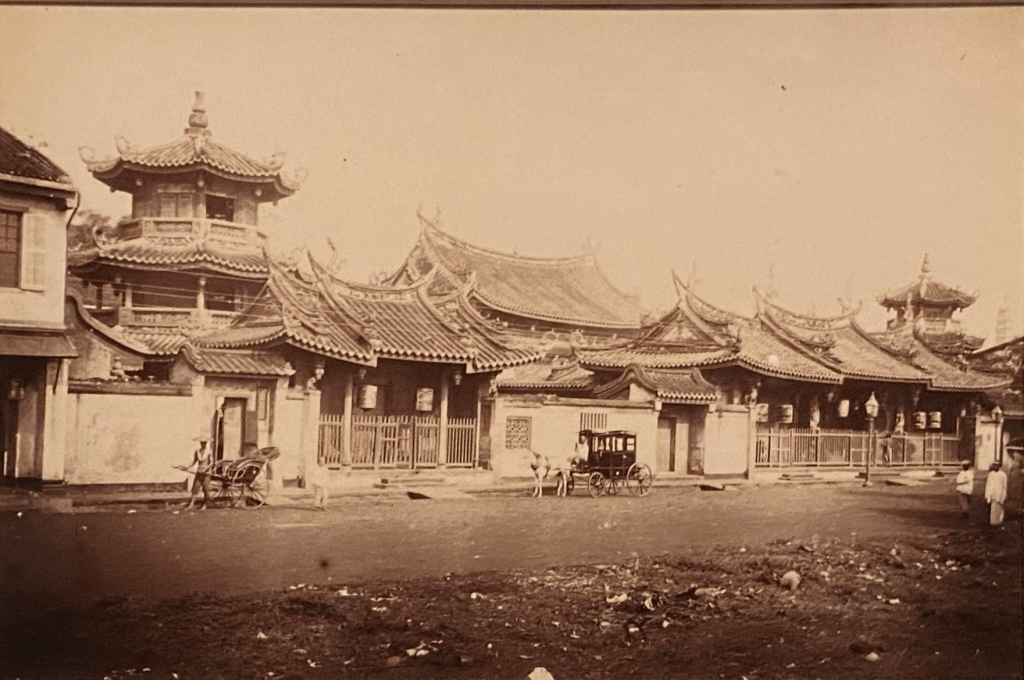
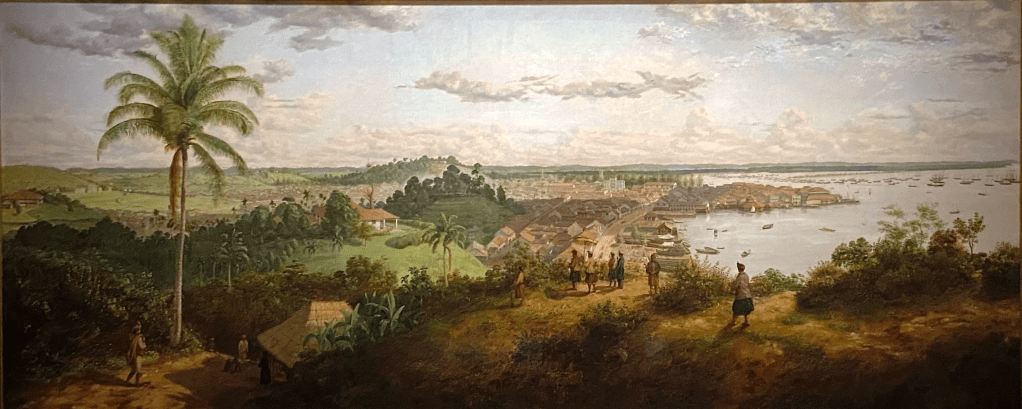
As you progress through the gallery, you’ll be able to get a sense of how Singapore was like in the 1800s and early 1900s.
Two photos that really stood out for me was an old photo of Thian Hock Keng Temple, which still stands today at Telok Ayer, and also the view from Mount Wallich, which was levelled in the 1880s for Singapore’s first ever reclamation project.
The stillness was that of a graveyard.
Australian Sergeant John Johnstone, 1942
Raffles’ Singapore had breathed its last.
The gallery then progresses through Singapore during the Second World War, with Singapore the last outpost of the British in the region following the retreat out of Malaya by 31 Jan 1942.
A quote shared in the gallery was very poignant. Even though the British returned after the war, many independence movements globally gained steamed – colonialism was indeed dead.
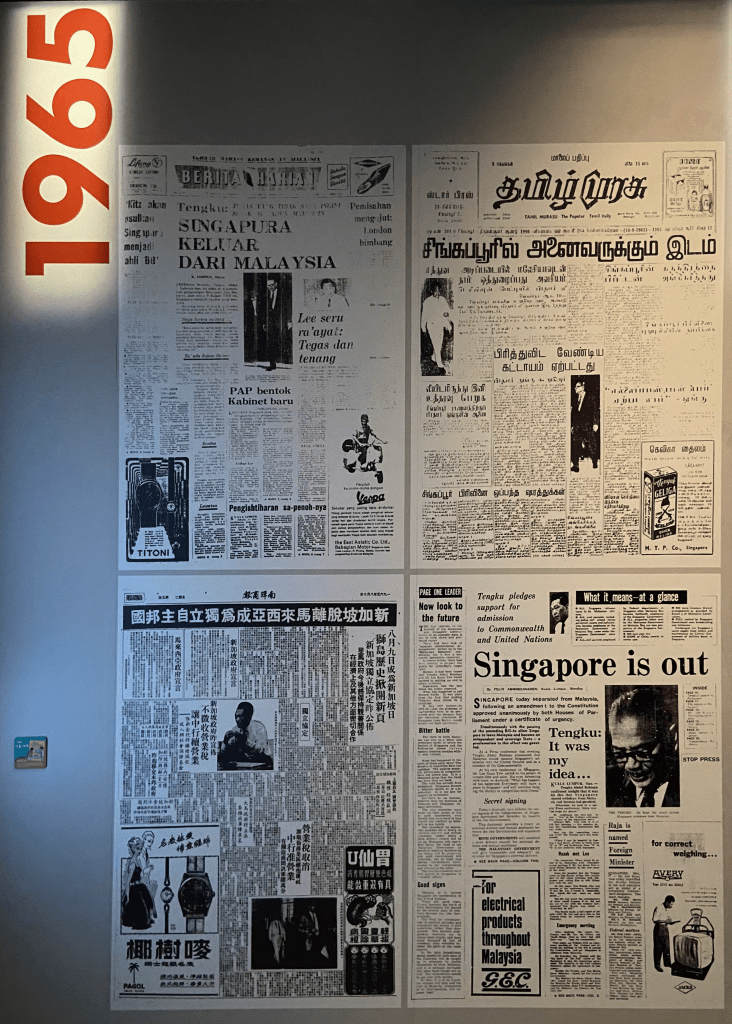
There was much resistance towards Singapore’s independence, with concerns ranging from the ability for a city state with no natural resources to survive, as well as the communist threat. To allay these concerns, Singapore merged with the Malayan states in 1963 forming the Federation of Malaysia.
Despite (or maybe in spite of) the efforts of politicians, there were significant disagreements between the political parties on how the country should be run. Arising from these tensions, Singapore broke away from the federation on 9 August 1965.
Once again, Singapore stood alone, but this time was different.
Growing Up and Voices of Singapore (Level 2)
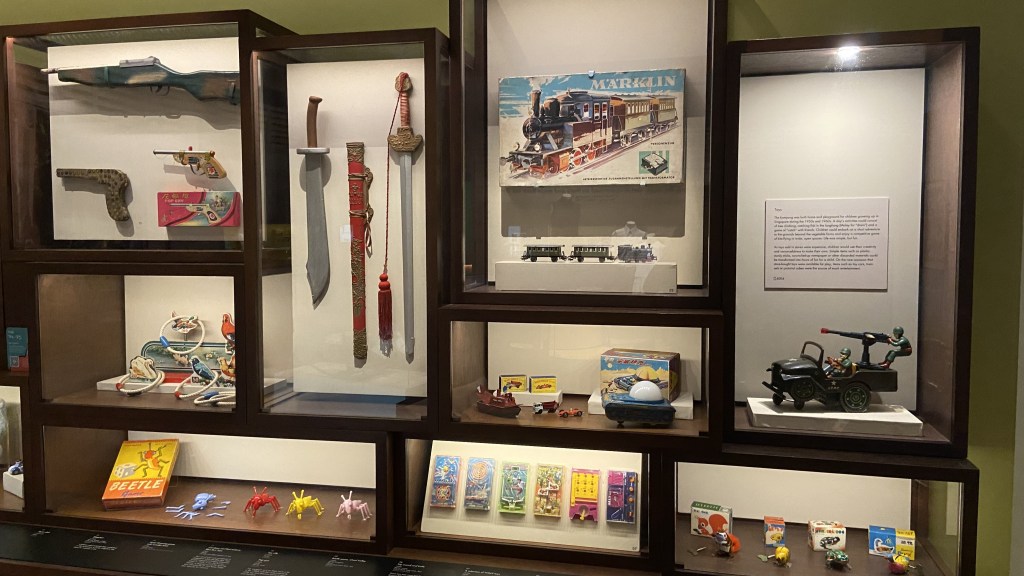
Continuing on from Singapore’s independence, two of the galleries on level 2, Growing Up and Voices of Singapore, cover the experience of growing up in Singapore as well as the arts up to the mid 1980s.
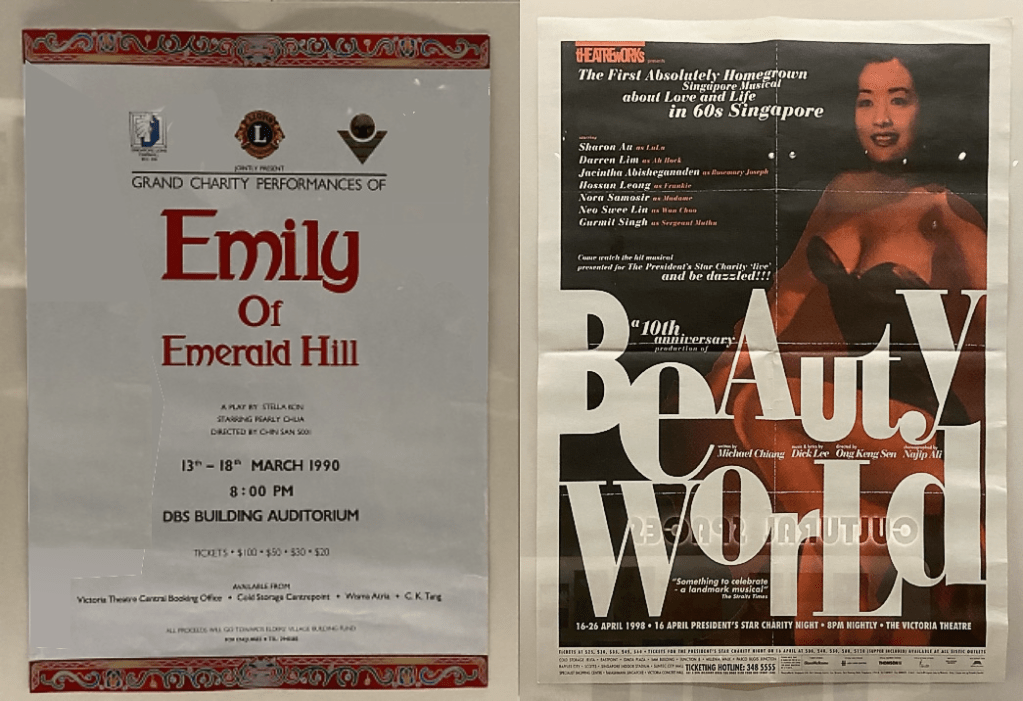
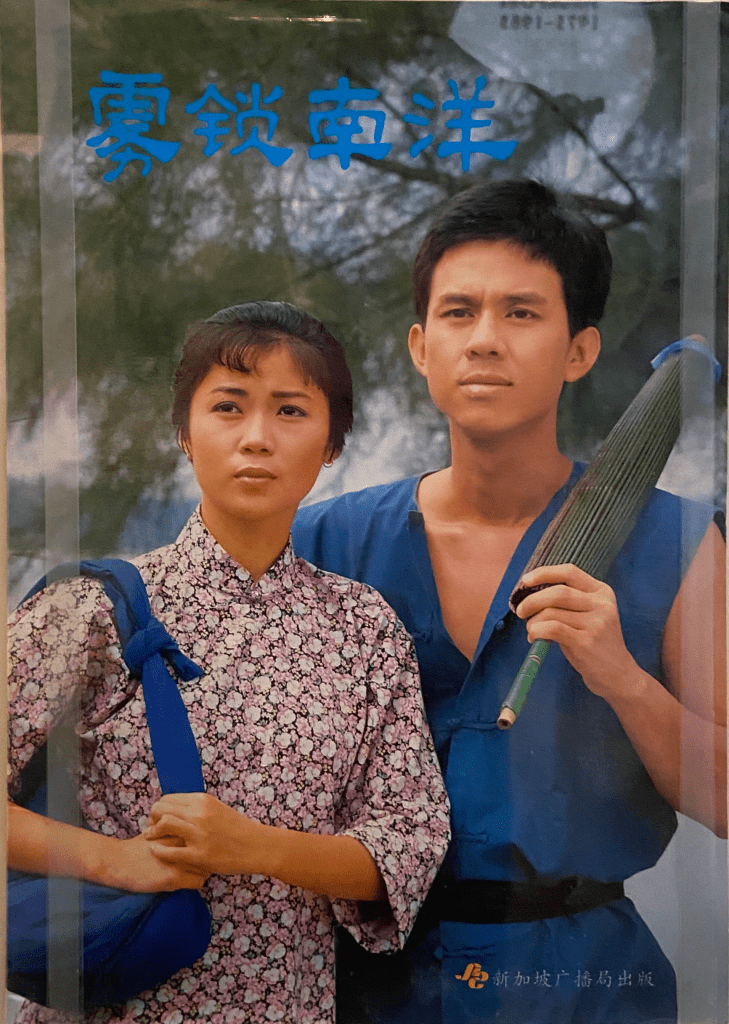
One of my favourite posters was the advert for The Awakening (雾锁南洋). The Awakening was one of the first mega drama produced in 1984 and was a favourite of the older folks in that generation, which outlines the story of Chinese immigrants to Singapore from the 1920s and the generation that follows.
Be it a 30-something year old like myself reliving his childhood, or a teenager being interested to find out more on the history of Singapore, the National Museum of Singapore has something interesting in store for you. It holds memories of Singapore that no longer exist.
Singapore, Very Old Tree (via Glass Rotunda on Level 2)
On that note, the Singapore Very Old Tree exhibition, accessible through the Glass Rotunda on Level 2, has photos of several interesting trees in Singapore, one of which is the Angsana Tree outside School of the Arts at Dhoby Ghaut, which no longer exists as it had to be removed due to decay.
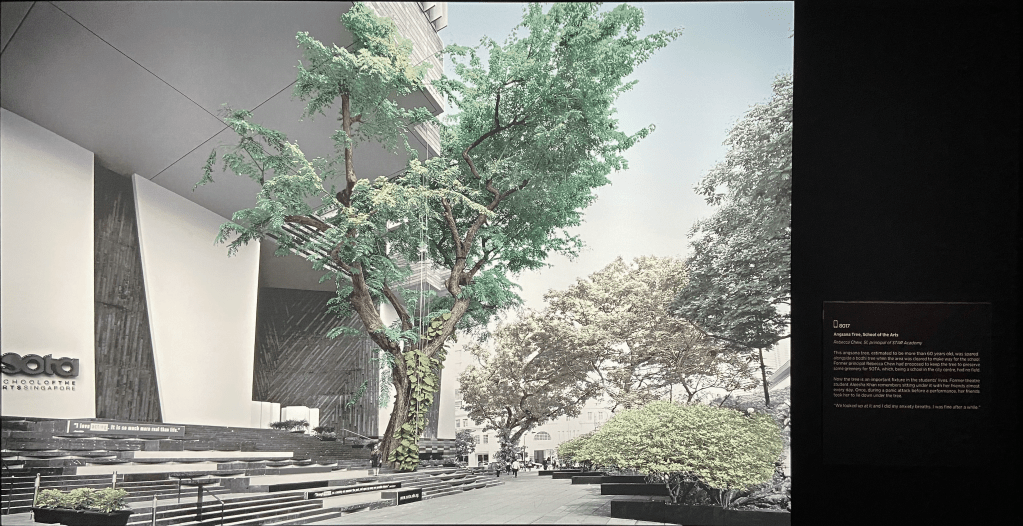
Nothing will be around forever, but it is through written, oral and drawn accounts that we have a peek into the history of Singapore at the National Museum of Singapore
 Sims Avenue